Dewa: A Sweet Handwritten Font for Makers and Creative Sellers
Bringing Candle Labels to Life with Dewa
While designing a new line of soy candles for my shop, I reached for Dewa to give the labels a soft, personal touch. I wanted something elegant but not overly formal—something that felt handmade and heartfelt. Dewa’s delicate strokes and gentle curves immediately caught my eye. It wasn’t just about readability; it was about mood. The font brought a sense of joy and warmth that matched the cozy, natural vibe of the product.
What Makes Dewa Unique
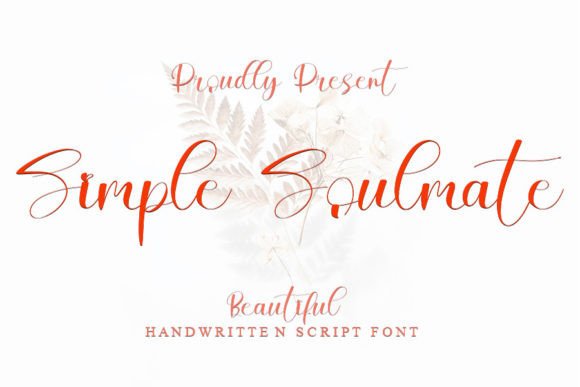
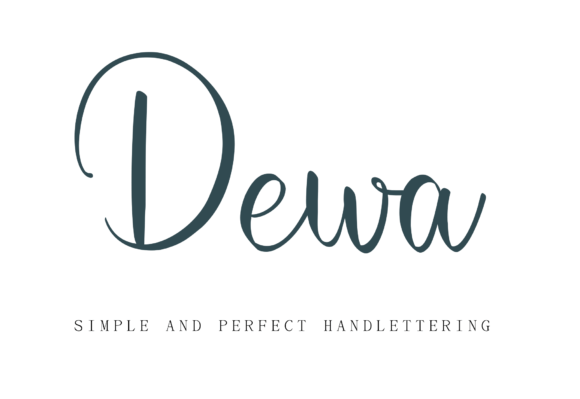
Dewa is a sweet, handwritten script font that feels both modern and timeless. Its flowing letters and subtle variations mimic real handwriting without looking too casual or messy. It has a graceful rhythm that works beautifully for short phrases, names, and titles. Whether you're creating a boutique tag, a greeting card, or a digital printable, Dewa adds a touch of personality and romance.
It’s especially effective when you want to convey warmth and sincerity—perfect for wedding invitations, seasonal cards, or even a “Made with Love” tag on a handmade soap wrapper. The font’s lightness and charm make it ideal for minimalist designs, but it’s also expressive enough to stand out in more detailed layouts.
Real-World Uses for Dewa
I’ve used Dewa across a variety of products and design formats, from printable wall art to packaging labels. One of my favorite uses is for wedding stationery. When a customer asked for a custom welcome board for her rustic barn wedding, I chose Dewa for the couple’s names and event title. The font’s elegance and softness complemented the floral arrangements and wooden signage beautifully.
- Candle and soap labels
- Birthday and baby shower invitations
- Wedding welcome signs and seating charts
- Printable planner pages and digital stickers
- SVG designs for Cricut and Silhouette machines
- Seasonal holiday tags and gift labels
- Tote bags and mugs with short, decorative text
How Dewa Elevates Product Presentation
Typography plays a powerful role in how your products are perceived. Using a high-quality, expressive font like Dewa can instantly elevate the look of your handmade goods. It gives your branding a more polished, intentional feel—something customers notice even if they can’t quite put their finger on why.
For example, when I switched from a basic script to Dewa on my seasonal candle packaging, I noticed more engagement in my social media posts. The font gave the product a more boutique-style appeal. It also helped with brand consistency. Now, every time I use Dewa across different items—whether a printable tag or a sticker on a mason jar candle—it feels like part of the same cohesive story.
Best Use Cases and Readability Tips
Dewa shines brightest in display use—think titles, names, short phrases, and decorative text. It’s not ideal for long paragraphs or small print. If you’re using it for product labels or stickers, make sure the size is readable, especially if you’re cutting with a machine like Cricut or Silhouette. The font’s thin strokes can be delicate, so always test with a small batch before mass production.
When I designed a set of digital greeting cards for my Etsy shop, I made sure to keep the body text in a clean sans serif font while using Dewa for the greeting or sender’s name. This contrast made the design more dynamic and easier to read. The same rule applies for packaging: use Dewa for the brand name or tagline and pair it with a simpler font for ingredient lists or care instructions.
Font Pairing Made Easy
Pairing fonts is one of the most important parts of product design. Dewa works beautifully with clean, minimalist sans serif fonts like Montserrat or Lato. This contrast creates a balanced, modern look. For a more vintage or editorial feel, try pairing it with a serif font like Playfair Display or a second script font with a different texture.
I recently used Dewa with a bold, all-caps sans serif for a farmhouse-style sign. The contrast between the two was eye-catching and gave the piece a unique personality. The key is to find a pairing that feels intentional—Dewa doesn’t need to be the only font on the page, but it should always feel like the star.
What to Check Before Using Dewa in Your Shop
Before you start using Dewa in your digital or physical products, always double-check the font’s licensing. Most premium fonts, including Dewa, allow for commercial use, but it’s important to confirm that you can sell items made with it. Also, check what file formats are included—OTF and TTF are standard, but some design tools may require SVG or WOFF files.
Another thing to look for is glyph coverage. Dewa often includes alternates, ligatures, and swashes that can add extra flair to your text. These are especially useful when designing wedding invitations or boutique packaging where a more customized look is desired. Also, make sure the font supports multilingual characters if you plan to sell to an international audience.
Making the Most of Dewa in Your Creative Work
Whether you’re a printable creator, invitation designer, or Etsy seller, Dewa is a versatile addition to your design toolkit. It brings a sense of warmth and authenticity that can help your handmade products stand out. From candle labels to digital downloads, it’s a font that feels both personal and professional.
Every time I use Dewa, I’m reminded of how much typography matters in the handmade world. It’s not just about making something look nice—it’s about creating a connection. A handwritten-style font like Dewa can turn a simple label into a keepsake, a plain card into a cherished note, and a generic product into a meaningful piece of someone’s life.