Sanurumi Handwritten: A Stylish Script Font for Modern Editorial Design
A Fresh Font for Lifestyle Blogs and Digital Publications
While redesigning a seasonal recipe ebook for a small food blog, I found myself searching for a font that felt both warm and contemporary. The project needed a handwritten font that could serve as a visual anchor without overwhelming the content. Sanurumi Handwritten stood out for its elegant rhythm and expressive character, making it ideal for cover titles, pull quotes, and chapter openers. Unlike many script fonts that lean too casual or overly formal, Sanurumi strikes a refined balance, enhancing the editorial mood without sacrificing readability.
Visual Character and Editorial Appeal
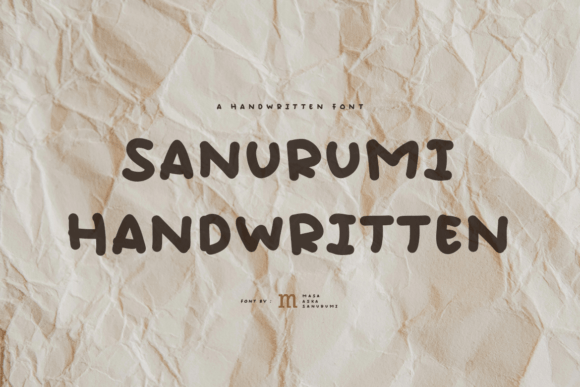
Sanurumi Handwritten is a script font with a natural, flowing cadence that mimics real handwriting. Its strokes vary subtly in weight, giving it a hand-drawn texture that feels personal yet polished. The font’s lowercase letters connect gently, while the uppercase characters offer a bold, decorative presence—perfect for headlines or logo design. It carries a soft, approachable tone that works especially well in lifestyle content, from wedding guides to wellness newsletters. Its personality is expressive but not distracting, making it a strong choice for designers looking to add warmth and character to their layouts.
Practical Uses in Digital and Print Publishing
I tested Sanurumi Handwritten across several content formats, including a blog header redesign, a printable coaching workbook, and a digital magazine layout. In each case, the font performed best when used for titles, section headings, and decorative accents rather than body copy. On a digital magazine cover, it added a modern, artisanal touch to the masthead. In a downloadable planner, it elevated the title page and special note sections without interfering with the structured layout. For a blog newsletter header, its legibility on screen was impressive, especially at larger sizes where its expressive details could shine.
That said, Sanurumi isn’t ideal for long-form body text or small captions. Its flowing strokes and variable spacing make it less suited for dense paragraphs or mobile reading environments where clarity is crucial. It works best as a display font—something to draw attention and establish tone rather than carry the bulk of the content.
Supporting Readability and Visual Hierarchy
One of the most important aspects of editorial design is creating a clear visual hierarchy, and Sanurumi Handwritten contributes effectively to that structure. When used as a headline font, it naturally draws the reader’s eye, guiding them into the content with a sense of personality and warmth. Pairing it with a clean sans serif like Lato or a readable serif like Merriweather creates a balanced contrast that supports both design appeal and readability.
In a recent digital magazine layout, I used Sanurumi for the article title and pull quotes, then paired it with a classic serif font for the body. The result was a cohesive yet dynamic layout that maintained editorial clarity while adding a touch of creative flair. The font’s consistent baseline and open spacing also helped prevent visual clutter, especially in print-ready PDFs and mobile-optimized newsletters.
Font Features and Licensing Considerations
Before using Sanurumi Handwritten in any publication, it’s worth checking the full feature set. The font includes multiple stylistic alternates, ligatures, and a good range of punctuation, which helps when designing for different languages or special typographic needs. It’s available in standard formats like OTF and TTF, making it compatible with most design tools—from Adobe InDesign to Canva.
For bloggers, course creators, and digital product designers, commercial licensing is an important factor. Sanurumi Handwritten is typically available with a commercial license, which means it can be used in ebooks, printables, social media graphics, and client work without legal concerns. However, always confirm the specific licensing terms before distributing the font in templates or downloadable products.