Baby Bear: A Sweet Script Font for Modern Web Design Projects
Choosing Baby Bear for a Coaching Website Redesign
I recently started redesigning a coaching website focused on mindfulness and personal growth. The client wanted a digital presence that felt warm, approachable, and emotionally engaging. During the early layout tests, I tried Baby Bear in the hero section over a soft pastel background. Right away, the font’s soft curves and smooth strokes gave the page a gentle, human feel—perfect for a brand rooted in emotional wellness.
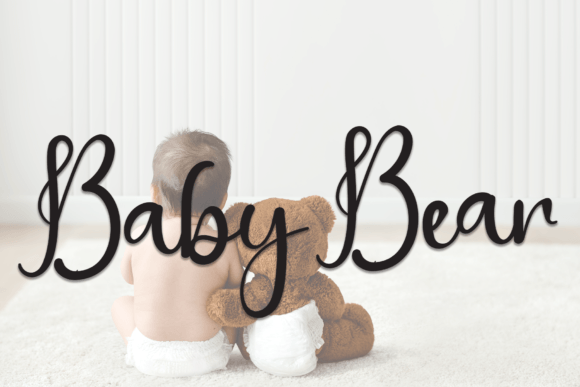
Baby Bear is a handwritten script font that leans into cuteness without feeling childish. Its flowing lines and balanced spacing make it ideal for headers, logos, and short calls to action. It has a playful yet elegant personality, which makes it versatile for both wedding invitations and modern web projects like digital brand kits or boutique landing pages.
Testing Baby Bear in Real Web Layouts
When I placed Baby Bear as the main headline on the homepage hero section, it stood out beautifully. I used it at a large size with a light shadow to help it pop over a subtle background image of a sunrise. On desktop, it looked polished and inviting. But I knew I had to check how it performed on mobile too.
On smaller screens, I reduced the font size slightly and made sure to use it only for short phrases and section titles. It held up well, especially when paired with a clean sans serif like Montserrat or Open Sans for body text. The contrast between Baby Bear’s decorative style and a minimal font helped create a clear visual hierarchy and improved readability.
Where Baby Bear Shines in Web Design
Baby Bear works best when used strategically in web design. Here are a few areas where it adds value:
- Hero headlines – Especially when used over soft images or gradients
- Logo text – Adds a personal, handcrafted feel to digital brands
- Call-to-action buttons – Works well for short phrases like “Get Started” or “Join Now”
- Section headers – Brings warmth and personality to content blocks
- Blog headers – Adds a creative touch to editorial layouts
It’s not ideal for long paragraphs or small body text, but as a display font, it brings a lot of personality and emotional resonance to the right kind of digital brand.
Readability and Responsiveness with Baby Bear
One of the first things I checked was how Baby Bear performed on mobile devices. At smaller sizes, some of the letterforms began to blur together, especially on lower-resolution screens. To counteract this, I limited its use to headings and decorative accents rather than navigation labels or subtext.
When using Baby Bear over images or dark backgrounds, I added a light text shadow or a semi-transparent background overlay to ensure contrast and legibility. This helped maintain brand consistency while keeping the text readable and accessible.
Font Pairing for a Balanced Digital Identity
In the coaching site project, I paired Baby Bear with a clean, modern sans serif for all body content and secondary text. This created a nice balance between warmth and professionalism. The contrast helped users scan the page more easily and gave the layout a more polished feel.
For editorial-style pages or blog headers, pairing Baby Bear with a serif font like Merriweather or Playfair Display can give the design a more classic, curated look. The key is to let Baby Bear be the star of the show while supporting it with simpler, more functional fonts.
Using Baby Bear Across Digital Touchpoints
This font works well beyond just websites. I’ve used Baby Bear in:
- Online store banners – For boutique shops selling handmade or personal products
- Course landing pages – Especially for wellness, creativity, or lifestyle niches
- Digital brand kits – Adds a personal, approachable tone to brand assets
- Promotional landing pages – For limited-time offers or seasonal campaigns
- Social media graphics – Perfect for quotes, testimonials, and visual storytelling
Its versatility makes it a great fit for any digital product or service that wants to feel more human and emotionally engaging.
Checking Web Font Availability and Licensing
Before embedding Baby Bear in the live site, I made sure to check its availability as a webfont. It was available through a premium font service with proper licensing for commercial use, which is important when using fonts on client websites or online stores.
I also confirmed that it included multiple weights and alternate characters, which allowed for more creative flexibility. Multilingual support was another checkmark, especially since the site would eventually be translated into several languages.
Final Notes on Using Baby Bear in Digital Design
Baby Bear is a charming, emotionally expressive script font that works well in modern web design when used thoughtfully. Whether you’re building a creative portfolio, a coaching website, or a boutique product page, this font can add a personal, handcrafted touch that connects with your audience.
As with any decorative typeface, the key is to use it intentionally—focus on headers, logos, and short calls to action, and pair it with simpler fonts to maintain balance and readability. When done right, Baby Bear can help you build a more memorable and emotionally resonant digital brand experience.